
If it’s time to install a new water heater in your home, you may be considering switching from a traditional tank to a tankless version. Each type of water heater has its own unique pros and cons. There is no right or wrong choice. Instead, it just depends on your family’s needs and your preferences.
If you need help deciding which type of water heater is right for you, you can keep reading to learn more about the pros and cons of both tank water heaters and tankless water heaters. Then, you can give our team a call for water heater service in Montgomery County, PA. We would love to offer an in-home assessment and help you decide exactly which water heater is right for you.
Pros of a Tank Water Heater
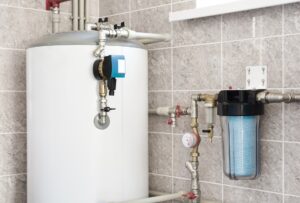
A tank water heater is usually considered the more traditional option. It is often the less expensive choice, and can be easier to install if you are swapping it out with another tank water heater since the existing connections already match up and there is clear access to the unit, gas line, or power source. A traditional tank unit typically lasts 8 to 12 years, depending on the model and maintenance. Gas tank water heaters generally heat water faster than electric models.
Having a tank storage water heater offers the benefits of using hot water at multiple sources in your home without losing water pressure. You can wash dishes, do a load of laundry and have someone take a shower all at the same time if your correctly sized water tank has the capacity to do so. If you need help deciding, our team can help homeowners determine the right option based on household size, usage, existing hookups, and local code needs when installing a new unit in Montgomery County, PA, Allentown, PA, and throughout the Lehigh Valley. You won’t lose water pressure at any of these sources because the tank is able to meet the demand.
Cons of a Tank Water Heater
Even though a tank water heater can meet demand from multiple sources at one time, you may run out of hot water depending on the size of the storage tank. Once the hot water supply is used, you have to wait for the tank to fill back up and reheat to have hot water again. Over time, sediment buildup can reduce capacity and efficiency. That highlights the importance of routine upkeep, especially when a malfunctioning water heater can interrupt daily use and lead to bigger problems. Without regular maintenance, premature failure can happen no matter the system. We perform inspections for leaks, corrosion, and wear so we can restore operation to normal as quickly as possible and help protect reliability and prevent costly failures.
Pros of a Tankless Water Heater
With a tankless water heater, you don’t have to worry about running out of hot water because you basically have an endless supply. Some homeowners also consider hybrid heat pump options that use outside air to heat water. Your tankless water heater heats water on demand, so it can meet your needs with personalized service and expert recommendations. Once the hot water supply is used, a malfunctioning water heater should be addressed quickly to restore normal hot water service. You can take a shower after running your dishwasher or clothes washer and not worry about a lack of hot water availability, which is ideal for residential households and busy customers.
Tankless water heaters are also more energy efficient. They heat water on demand, which means they are not using energy around the clock to keep a tank of hot water available for whenever you need it like a more traditional water heater does. If you need water heater replacement, licensed technicians can help schedule inspections and recommend the right solutions. Professional inspections can catch leaks, corrosion, and other issues early. For many homes, tankless systems are a smart upgrade when it is time to replace an older heater. That kind of replacement can boost efficiency, help save money, and lower utility bills and utility costs. A new unit can also be a practical long-term choice.
Cons of a Tankless Water Heater
Even though you have an endless supply of hot water, a tankless water heater may not be able to meet your household’s hot water demand when using hot water from multiple sources at once. It can only heat so much water at a time. You may have to spread out hot water usage. For example, you may lose water pressure in the shower if the dishwasher is also going at the same time.me.
A tankless water heater is also a more expensive upfront investment. Water heaters typically last 8 to 15 years, and routine maintenance can help extend that lifespan. Annual maintenance, or at least a yearly inspection, is recommended for optimal performance. Key maintenance tasks include flushing the tank annually, testing the T&P relief valve, and inspecting or replacing the anode rod to prevent corrosion, rust, leaks, sediment buildup, overheating, and dangerous pressure buildup. Setting the temperature to 120°F is energy efficient and safe, and lower settings reduce stress on heating elements. Tankless water heaters are also more energy efficient because they eliminate standby heat loss from traditional tanks. Water heater repair can often be completed the same day, and when you need to replace a unit, experienced plumbers may recommend tankless options as practical residential solutions during planning for a renovation, construction update, or any job at your home or business. Some companies also offer maintenance plans to help minimize disruptions over time.
Customers can schedule personalized service to review the best upgrade path. Still, the cost may even out over time when you consider the energy savings, but it doesn’t change that you have to spend more on that initial installation. Ultimately, you have to make the right decision based on your wants and expectations.
Frequently Asked Questions
Question: Is a tankless water heater better than a tank water heater?
Answer: Neither option is automatically better for every home. A tankless water heater offers hot water on demand and can be more energy efficient, while a tank water heater usually costs less upfront and may be easier to install. The right choice depends on your household’s hot water use, budget, and expectations.
Question: What are the benefits of a traditional tank water heater?
Answer: A traditional tank water heater is often the more affordable option and can be easier to install when replacing an existing tank model. It can also supply hot water to multiple areas at once, such as a shower, dishwasher, and washing machine, as long as the tank has enough capacity.
Question: What are the downsides of a tank water heater?
Answer: The main drawback of a tank water heater is that it stores a limited amount of hot water. Once the tank is emptied, you have to wait for it to refill and reheat. Traditional tanks also use energy to keep stored water hot, even when no one is using it.
Question: Why do homeowners choose tankless water heaters?
Answer: Homeowners often choose tankless water heaters because they heat water only when needed and can provide a continuous supply of hot water. Since they do not keep a full tank hot all day, they may use less energy over time. They are a strong fit for households that value efficiency.
Question: What are the disadvantages of a tankless water heater?
Answer: A tankless water heater usually costs more to install upfront and may have limits when several fixtures need hot water at the same time. For example, running the dishwasher while someone showers may reduce water pressure or performance. A professional assessment can help determine the right system size.
Carney Plumbing Heating & Cooling does what’s right for our customers. Schedule an appointment today for your new water heater.