

Winter may quiet the outdoors, but inside your home is a different story. As temperatures drop, pests don’t disappear—they relocate. If you’ve been hearing faint scratching, spotting unexpected insects, or noticing musty odors, you’re not imagining things. When it comes to pest control in Bucks and Montgomery counties, winter is one of the most crucial times to stay proactive. We’re here to help you understand what may be hiding behind your walls and how early planning can save you stress later. Many homeowners assume pest problems start in spring, but in reality, winter is when infestations quietly take root.
Why Winter Pests Are a Big Deal
Cold weather forces many pests to seek warmth, food, and shelter indoors. Once they get in, they can remain active all season long, quietly nesting and multiplying. Because activity is often hidden, infestations can grow unnoticed until spring, when the damage becomes obvious and more costly to fix.
What makes winter pests especially tricky is that they don’t need much movement or food to survive, allowing them to stay out of sight for months. By the time warmer weather arrives, populations are often well established behind walls, ceilings, and insulation.
Rodents Nesting in Insulation
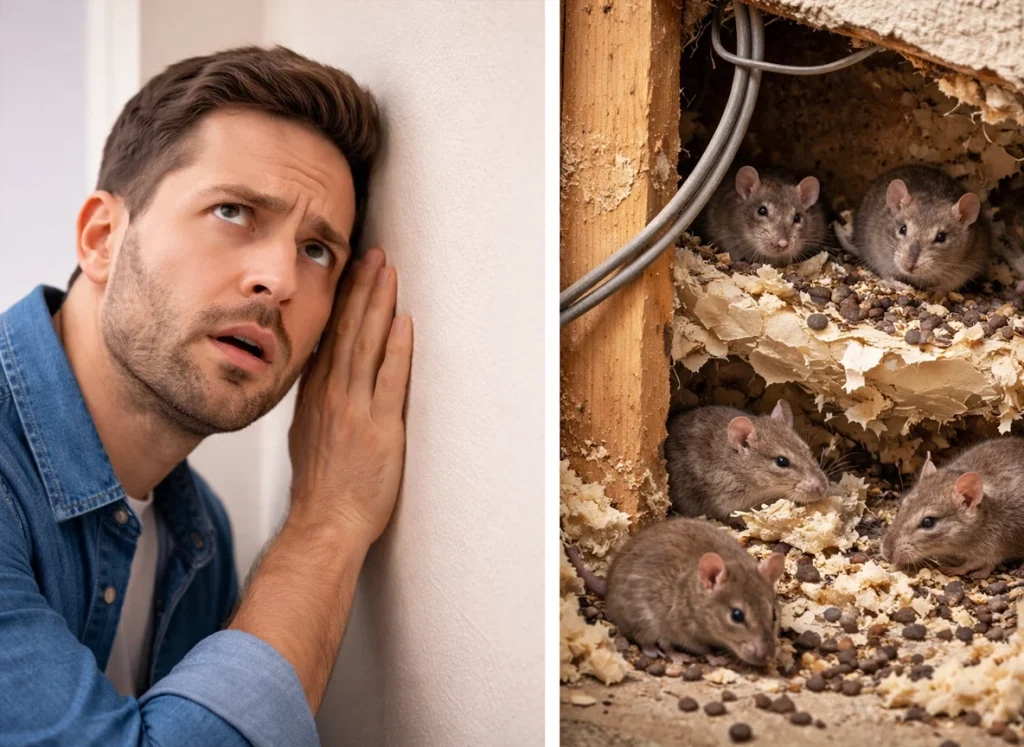
Mice and rats are among the most common winter invaders. They squeeze through tiny gaps and make themselves at home in wall voids and attic insulation. From there, they chew wiring, contaminate insulation, and leave droppings that pose health risks.
Rodents use insulation not just for warmth, but also as a nesting material to raise young throughout the winter. If you hear scratching at night or notice unexplained odors, rodents may already be settled in. Left unchecked, a small rodent issue can quickly turn into a full infestation before spring even begins.
Spiders Seeking Shelter
While many insects slow down in winter, spiders stay active indoors where temperatures are stable. Basements, crawl spaces, and wall cavities provide ideal hiding spots. Though most spiders are harmless, their presence often signals the presence of other insects nearby—meaning a larger pest issue could be developing behind the scenes.
Silverfish Thriving in the Dark
Silverfish love warm, humid environments and feed on paper, fabrics, and stored goods. Winter drives them deeper into homes, where they hide behind walls, under floors, and near plumbing lines. Left untreated, silverfish can damage books, clothing, and important documents before you even realize they’re there.
Why Early Action Matters
Waiting until spring gives pests months to establish themselves. Winter inspections help us identify entry points, nesting areas, and early signs of infestation before they escalate. An early plan not only protects your home now but also prevents major problems when pest activity spikes in warmer months.
How We Help Protect Your Home
At Carney All Seasons, we take a preventative, customer-first approach. We inspect thoroughly, explain what we find, and recommend solutions tailored to your home and lifestyle. Our goal is to stop pests where they live—behind the walls—so you can enjoy peace of mind all winter long.
Call Carney All Seasons today! We do what’s right for customers.