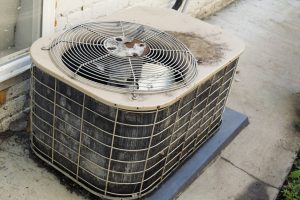
If you take good care of your air conditioner, you can expect it to last a long time. Still, no AC lasts forever. At some point, replacement becomes the better choice for your comfort, reliability, and energy costs. You do not want to head into summer with an AC unit that is already struggling, especially during a record heat wave.
So how can you tell when it may be time for a new air conditioner? There are several signs to watch for. The best next step is to have a professional technician inspect your system and explain your options clearly. In some cases, air conditioning repair may still make sense before replacement. We believe in honest, no-pressure recommendations so you can choose what is right for your home.
Repair or Replace Your AC: How to Decide
If your HVAC system is more than 10 to 15 years old, needs frequent repairs, or struggles to cool your home evenly, replacement may make more sense than continuing to invest in repairs. A trained technician can help you compare the overall value of repairing your current system versus installing a new one, with your comfort, safety, and long-term reliability in mind.
Why You May Need a New Air Conditioner
As summer approaches, it is important to make sure your air conditioning system is ready to keep up. Older or inefficient air conditioning systems often have a harder time delivering steady comfort, especially during long stretches of hot, humid weather.
A well-maintained air conditioning system helps keep your home comfortable while reducing the likelihood of unexpected breakdowns and expensive repairs. If you have noticed that your AC is not performing the way it used to, it may be time to start thinking about replacement.
At Carney All Seasons, we help homeowners evaluate their options with clear guidance and professional care. We provide HVAC services that support year-round comfort, and we are here when you need trusted help from a family-owned team. Big & small. You CAN have it all.
Common Types of Air Conditioners for Your Home
When it is time to invest in a new system, understanding your options can help you make the best choice for your home.
Central air conditioners remain a popular option for whole-home cooling because they provide consistent comfort throughout the house. For homeowners looking for efficient heating and cooling in one system, heat pumps can be a great fit. If your home does not have ductwork, or if you want more targeted comfort in certain rooms, ductless mini splits may be worth considering.
Our team can walk you through the pros and cons of each option and help you choose a system that fits your home, comfort goals, and budget.
Rising Energy Bills: A Sign Your AC May Need Replacement
Your air conditioner will naturally cost more to run during the months when you use it most. But as a system wears down, it also becomes less efficient. That loss of efficiency often means longer run times and higher utility bills.
If your air conditioner is costing more to operate than it used to, it is a good idea to have it checked. Rising energy bills can be an early sign that your system is no longer working as efficiently as it should.
.
Frequent AC Breakdowns: When Replacement Makes More Sense
It is not unusual for an air conditioner to need a repair from time to time. But there is a big difference between an occasional issue and a system that keeps breaking down.
If your air conditioner is breaking down every few months, it may be getting close to the end of its useful life. In some cases, you may need fast help from a team that handles emergency services or HVAC issues, but frequent breakdowns are often a sign that replacement is the more practical long-term choice.
As parts wear out, problems tend to show up more often. Over time, that pattern can lead to a full system failure. Replacing your system before that happens can help you avoid bigger disruptions during the hottest part of the season.
How Long Should an Air Conditioner Last?
It is not unusual for an air conditioner to need a repair from time to time. But there is a big difference between an occasional issue and a system that keeps breaking down.
If your air conditioner is breaking down every few months, it may be getting close to the end of its useful life. In some cases, you may need fast help from a team that handles emergency services or HVAC issues, but frequent breakdowns are often a sign that replacement is the more practical long-term choice.
As parts wear out, problems tend to show up more often. Over time, that pattern can lead to a full system failure. Replacing your system before that happens can help you avoid bigger disruptions during the hottest part of the season.
How Maintenance Affects AC Efficiency and Lifespan
Regular maintenance plays a big role in keeping your air conditioning system efficient and dependable. Routine service helps catch smaller issues before they turn into larger repairs, and it can help extend the life of your equipment.
During a maintenance visit, technicians check key components, clean important parts, and look for signs of wear that could affect performance. Whether you have a central air conditioner, a ductless mini split, or a heat pump, ongoing maintenance can improve efficiency, support better comfort, and reduce the chance of an unexpected breakdown.
If you notice warning signs like higher energy bills, uneven cooling, or unusual noises, scheduling service sooner rather than later can help protect your system.
Benefits of Installing a New Energy-Efficient Air Conditioner
Upgrading to a new air conditioner can offer real benefits for both your comfort and your budget. Modern systems are built with improved efficiency in mind, which can help lower monthly utility costs while keeping your home more consistently comfortable.
Many newer systems also offer features that improve convenience and control, including programmable thermostats and zoning options. Choosing a new, high-efficiency system may also mean quieter performance and improved indoor air quality.
How to Choose the Right Replacement Air Conditioner
Choosing the right air conditioning system does not have to feel overwhelming. The best fit depends on several factors, including your home’s size, layout, insulation, and comfort preferences.
A trusted technician can help you compare options and explain what makes sense for your home. We will walk you through the overall value first, then explain your options clearly so you can make a confident decision.
What to Expect During Air Conditioner Installation
When you move forward with a new air conditioning installation, you should expect a smooth, professional process from start to finish. A quality installation includes careful setup, testing, and a final walkthrough so you know how your new system works before the job is complete.
At Carney All Seasons, we follow industry standards and manufacturer guidelines on every installation and repair. Our technicians are EPA and NATE-certified and complete ongoing training to maintain high standards. We stand behind our workmanship and provide fully guaranteed work. All recommendations are made with your home’s safety, comfort, and long-term reliability in mind.
Carney All Seasons. Comfort you can count on, trusted for generations.
Frequently Asked Questions
What are the most common signs that you need a new air conditioner?
Common signs include frequent repairs, weak airflow, rising energy bills, and uneven cooling throughout your home. If your air conditioner struggles to keep your home comfortable or needs repeated service, replacement may be worth considering.
How long does a typical air conditioner last?
Most central air conditioning systems last around 10 to 15 years with proper maintenance. As systems age, efficiency often drops and repairs may become more frequent.
Why are my energy bills increasing when using my air conditioner?
Higher energy bills can happen when an air conditioner loses efficiency over time. Worn parts, aging equipment, or an improperly sized system can all make your AC work harder than it should.
What cooling problems may point to replacement?
If your air conditioner cannot cool your home evenly, struggles to reach the thermostat setting, or turns on and off too often, those issues may point to a larger system problem.
When should you consider replacing instead of repairing your air conditioner?
Replacement may make more sense when repair costs are adding up, the unit is more than a decade old, or the system breaks down regularly. A new system can improve reliability, efficiency, and overall comfort.