
Carney All Seasons Blog: Posts Tagged ‘Plumbing’

Plumbing Basics: Learning the Parts of a Toilet

Monday, May 7th, 2012

The majority of homeowners are not aware that they can repair most minor toilet problems on their own. Whether it’s overflowing or running more than it should, toilets can be repaired often without calling a Willow Grove plumber; however, it is important to know the basic parts of a toilet before trying to troubleshoot toilet issues.

Here’s a guide to learning the parts of a toilet:

Willow Grove Plumbing Tip - Parts of a Toilet

Tank: Pictured above (inspectapedia.com) is the tank on the back of the toilet, which holds the water supply for the bowl and the components that you need to know to fix most problems.

Bowl: Holds wastewater and uses the water from the tank to flush the waste.

Flush Handle:  The flush handle is the part that everyone knows, but it’s important to know what happens when you flush: the flush handle is connected to the trip lever, which lifts the flapper and allows the water for the tank to enter the bowl.

Trip Lever: The trip lever is the part that you need to know for a running toilet. It attaches the flush handle to the flapper, and when you flush the toilet, this lever lifts the flapper (sometimes called a flapper valve) and releases the water from the tank into the bowl to force the wastewater in the bowl down the sewer drain. When a toilet is running, you can simply lift the trip lever to lower the water level in the tank.

Float Ball: The float ball basically measures the water in the tank. After you flush, the ball will fall as the water level lowers, and the ball will rise again as the tank fills from the toilet main water supply. When the tank has enough water, the toilet will stop running.

Overflow Tube: This is the tube that will stop the tank from overflowing if the toilet is running. It leads into the drain and pushes out all the excess water. Sometimes you can remove the rubber water supply tube from the overflow tube to keep a toilet from overflowing if you are not able to shut off the main water valve behind the toilet.

Flapper Valve: This is the part to know whenever you have an overflowing toilet or a backup. The flapper is attached to the flush handle by a chain and the trip lever. Whenever the flapper is pushed down, the water cannot leave the tank, so when you flush, it creates a suction to pressurize the water entering the bowl so that it has enough force to flush the waste. If your toilet is overflowing, push the flapper down with your hand so that it stops the water from entering the bowl. Most people are afraid to put their hands in the tank because they associate the tank water with the water in the bowl. The water in the toilet tank is clean because it comes from the main water supply line, which is attached to the stop valve.

Stop Valve: This is also called the toilet supply valve because it controls the fresh water supply going into the tank. It is usually located behind the toilet near the floor, and turning it off is another way to stop an overflowing toilet because the tank cannot fill once it is turned off.  It is attached to the supply tube, which attaches to the refill tube.

Supply Tube: Although the supply tube and refill tube are connected, they are two different parts. People often use their names interchangeable, but what’s most important to know is that the supply tube supplies the water from the main line and into the refill tube, which refills the bowl.

Refill Tube: When the float ball is down, the refill tube fills the bowl with the water from the supply tube. After a flush, the ball rises, and when it reaches a certain level, the refill tube stops the flow of water into the bowl.

Trap: The trap is a seal that prevents backflow and strong odors from the main sewage line. If you smell sewage in your bathroom, particularly near the toilet, you could have a bad seal or faulty trap. Troubleshooting a trap usually requires a plumber, unless you are familiar with toilet installation.

Wax Ring: Another cause for bad odors is the wax ring, which is a seal between the toilet and the sewage line. A faulty wax ring could also cause leaking at the bottom of the toilet. Call a plumber whenever you aren’t sure about leaking toilets or strong sewer odors; there could be a problem in the main sewer line.

Call Carney Plumbing Heating & Cooling if you have any questions about these components, or if you want to trouble shoot with one of our Willow Grove plumbers.

Continue Reading

Fix Water Leaks Before They Cause Major Damage

Monday, April 30th, 2012

Water leaks are one of the most destructive and frustrating problems in many Lansdale homes. Undetected water leaks can rot wood, destroy drywall, and cause mold to grow in unseen spaces of your home. Spending the time and money to find and fix water leaks before they cause significant damage is one of the most cost-effective actions a homeowner can take.

Sinks

Cabinets beneath kitchen and bathroom sinks are a good place to start. Look for signs of water damage or build up. Mold and mildew are telltale signs of water leaks. Touch the pipes, particularly the areas where they enter the faucet. Run the hot and cold water faucets for a few minutes and repeat the inspection. Finally, fill the sink with water, let it stand a few minutes and open the drain. Now check the drain pipe and the joints that connect it to the sink for leaks.

Dishwashers

Dishwashers can’t easily be checked for leaks without pulling them out from beneath the counter. But you can inspect the water lines that connect the dishwasher to the kitchen sink. For some units, you may be able to shine a flashlight beneath the dishwasher to look for puddles.

Toilets

Toilets can leak from the water supply pipes filling the tank and from the seal between the toilet and the waste pipe in the floor. Flush the toilet several times and carefully look for any signs of leaks in the  joints of the water supply pipe and the floor around the base of the toilet. Lift the lid off the tank and flush the toilet. When the tank refills, the water should completely shut off. If the flush valve or water control unit is old, corroded, or loose, the water will continue to run. Running water cools the water delivery pipe to the toilet and the tank, which will cause them to collect condensation in humid weather. The condensation will drip and eventually cause water damage to the floor behind the toilet. Bottom line – don’t ignore a running toilet. Have the water control and flush valve fixed or replaced.

 Tubs and Showers

Inspect the caulking around the tub or shower. Old, cracked, or missing caulking can allow water to leak into the wall. Water dripping from a leaky faucet or shower head will go down the drain and not cause any damage, but the faucet may also be leaking water behind the tub or shower.

Hot Water Heaters

Finally, inspect the hot water heater for leaks, and the boiler if the house has hot water heating. The first place to look is the floor around the appliance, but also look at the joints where the water pipes connect.

If you need any help with leak detection or any other problems with your Lansdale plumbing, give Carney Plumbing Heating & Cooling a call!
Continue Reading

How and Why to Recaulk Plumbing Fixtures

Wednesday, March 21st, 2012

You probably don’t pay much attention to the caulking around your New Hope plumbing. It is one of those things that is always there, working kind of behind the scenes, that you never seem to notice until something goes wrong.

The think about caulking, though, is that something can go wrong with it rather quickly. Because of the high frequency of use of tubs and sinks, the caulk that seals the space between the fixture and the wall can deteriorate and crack over time. This can cause gaps in the caulk or cause the fixture to come loose from the wall.

When this cracking and erosion happens, water from your bath, shower head or faucet can seep in between the fixture and the wall, potentially causing water damage and fostering colonies of mildew and mold.

Cracked caulk is inevitable with daily use, so you don’t need to worry about preventing it. Instead, learn how to properly fix the situation with a fresh caulk job:

  1. Scrape away all the old caulk from around the fixture using a utility knife or putty knife. Take care to remove all the old caulk while also avoiding scratching porcelain fixtures.
  1. With all the caulk gone, clean out the joint thoroughly. This will remove any last traces of caulk, as well as any other dirt or buildup. If you notice mildew or mold, use a chlorine bleach solution to clean the joint before recaulking.
  1. Once the joint is dry, recaulk it using a bead of caulk that is just slightly wider than the joint. This ensures an adequate seal. Wipe any excess away with a rag.
  1. Allow the caulk to dry thoroughly before using the sink or tub. Read the instructions on the caulk for an estimated drying time.

Take note that it is very important to thoroughly remove all the old caulk and clean everywhere along the fixture joint before applying the new caulk. Otherwise, the new caulk will not adhere properly and potentially damaging dirt may get sealed into the joint.

If you followed all the steps carefully, you should have a fresh seal of caulk that will last you another several years! If you need any help with your plumbing fixtures, give Carney Plumbing Heating & Cooling a call today!

Continue Reading

Plumber Tip: How to Replace a Bathroom Vanity

Monday, December 12th, 2011

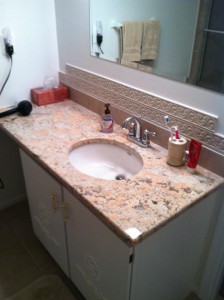
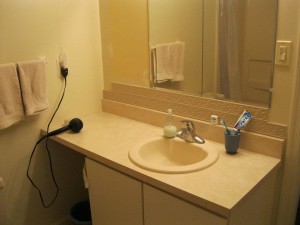
Because it looks something like a dresser combined with a kitchen counter, you may think of your Jamison home’s bathroom vanity as being a piece of furniture, and therefore that it is simple to replace. Well, there’s good news and bad news there.

The bad news is that because of the sinks and pipes involved, your vanity is part of your plumbing system, so it’s a little trickier than getting a new sofa.

The good news is that it is still something you can do on your own – or at least with a friend – in a few hours or so. After you have measured the space and purchased the new vanity, here is how you can go about replacing the old one:

  1. Shut off the water supply. This is always the first step when undertaking any sort of plumbing work. Put a bucket beneath the sink to catch any water that drips from the supply lines after you disconnect them.
  2. Using a putty or utility knife, loosen the caulk that is sealing the countertop. Gently remove the countertop.
  3. Detach the vanity from the wall. Most vanity units are screwed in place to the wall, so just spot and remove all the screws.
  4. Mark the studs in preparation for positioning the new vanity. Hint: the old one was already drilled into the studs, if it was done properly.
  5. Put the new vanity in place, making sure it is flush to the wall.
  6. Attach the new vanity to the wall, taking care to screw into the wall studs that you marked in step #4.
  7. Put a bead of caulk along the top of the vanity base to hold the countertop in place. Carefully set in the new countertop.
  8. Reconnect the plumbing that you disconnected as part of step #1.
  9. Put down a thin bead of caulk along the edges of the countertop below the lip. Smooth the caulk in place with a damp rag.

Now your new vanity is all set. Allow the caulk to dry before getting moisture near it, and don’t forget to turn the water supply back on! And if you need any help, talk to your local plumber.

Continue Reading

How to Install a Toilet: A Guide From Ambler

Friday, October 7th, 2011

A toilet is a relatively basic piece of plumbing equipment, but that does not mean that installing it in your Ambler house is easy. This is certainly a job that many people can do on their own, but you should be prepared to devoting the majority of your day to the project. While the installation itself is not terribly complicated, it is quite important that you get it right, so make sure you have all of the necessary materials, equipment and tools before you begin.

The first thing to remember is that you need to install your toilet in an appropriate place relative to the rest of your bathroom plumbing. Especially if you are installing your toilet along a branch drain, make sure that the sink, shower and any other plumbing fixtures are upstream of the spot where you will be installing the toilet.

You will also need to make sure that you install the toilet an appropriate distance from the wall. You need to be able to get around the toilet, and you also want to leave space so that work can be performed on the unit later. Putting your toilet too close to the wall can cause all kinds of complications in the way the unit functions and there is also a possibility of condensation build-up. For all of these reasons, it is important to make sure you are allowing an adequate amount of space on all sides.

The procedure you will have to follow when installing a toilet will be slightly different depending on whether you are installing it in a new spot or simply replacing an existing unit. When replacing an old toilet, you need to remove everything involved in the previous installation. That means taking the old bolts out of the floor and scraping away any residue to ensure that you have a clean and even surface to begin your installation on.

You should also make sure that you are aware of all applicable local codes before you begin your work. Even if you technically install your toilet correctly, you could run into trouble later on if your installation is not actually up to code. It is also important to remember to level all of your fixtures before you complete the installation process and to make sure you use a dielectric or brass fitting when attaching galvanized steel and copper to each other.

Continue Reading

What to Look For When You Have Water Damage: A Tip From Willow Grove

Wednesday, October 5th, 2011

Water can be a beautiful thing. But it can be a very nasty thing, too. While water is an essential for life, it brings a high price tag when gone unchecked and allowed to seep, leak, and drain into your Willow Grove home. Damage caused by water can cause structural damage to a building and destruction of its contents. When left unchecked – over time – water damage can lead to mold growth and have a serious affect on building occupants’ health.

The destructive forces of water leave telltale signs throughout a building. Let’s look at some.

  • Wood damage – water can saturate wood, causing it to rot and decay. Check for discolored wood around plumbing fixtures, a sure sign of an ongoing or older leak that has since been repaired. Just because a leak has been fixed, the after-effects can linger. Soft or uneven surfaces around a plumbing fixture are a sure indication of water damage. Pull back carpeting, pads, tiling, or flooring to get to the root of the problem.
  • Drywall damage – porous material like drywall can leave many signs of water damage and, like wood, can be seriously degraded by water damage. Check for discoloration around plumbing fixtures and soft spots. Don’t assume that a dry surface that is stained is not a structural problem. You may have to cut out the drywall to reach the true source of the water damage.
  • Ceiling tile stains – a sure sign that water is coming in from a source above a roof or ceiling. Ceiling tiles are a porous material that are great for showing every little bit of moisture or water that comes in contact with them. The same is true with plaster or drywall ceilings. Stains indicate a more serious problem and should be investigated right away.
  • Damp, musty smells – water can leave some unpleasant odors, especially untreated water. Leaks or standing water are a source for higher humidity levels in a home. If you are standing in an area where water has soaked into floors or walls, there is often a damp, humid smell. Don’t mistake it for high humidity levels in the home. The smell can come from hidden sources like a leaking pipe joint or broken valve behind an access door.
  • Mold build-up – wood and drywall surfaces provide great food for mold growth when saturated with water. The mold can be of a harmless nature but often can become dangerous black mold. When black mold spores are airborne they can cause respiratory problems and even worse, medial problems down the road. Look for unusual clusters of mold in damp areas and if you find some, immediately call a professional plumber to suggest clean-up and to repair the source of the water leak.

There are many signs of water leakage in the home, caused by leaking or broken pipes, dripping faucets from worn-out washers, cracks in the walls and foundations allowing ground and rain water to seep in, etc. Find and fix the source immediately or pay even higher costs in repairs later on.

Continue Reading

How Can I Stop My Toilet from Running?

Friday, March 18th, 2011

Nothing is more obnoxious than the constant tinkling sound of a running toilet. When your toilet starts pouring water through at a record rate, it is time to take a peek inside and make sure everything is working properly. Luckily, most of the time, a running toilet is very easy to fix. It may only be that the tank flap or the diaphragm needs adjustment. Here are some quick tips to help you diagnose and repair that running toilet and get back the peace and quiet of your bathroom once and for all.

  1. Going In – Open the tank of your toilet take a close look at the various parts. First, check the ball cock – the valve linked to the large plastic ball that floats on top of the water in your tank. If the noise is coming directly from the valve or you can see obvious issues, the ball cock likely needs to be replaced. Sometimes, it needs only basic cleaning, which you should do first before running out to buy a new part. It also possible that the tank flap is having issues. Look for a small cone in the hole at the base of the tank. Press down on it to see if the sound stops. If it does, the tank flap likely needs replacement.
  2. Turn off the Water Supply – Before doing any more, turn off your toilet’s water supply. Do not worry – you should not need to go hunting for the valve. It is most often located next to the toilet on the floor of your bathroom.
  3. Replacing Your Parts – When replacing any parts for a toilet, always remove the old part first and bring it with you to the hardware store. Almost all toilets have slightly different parts that may not match up universally. By having the part you need, you can give it to an expert in toilet repair and they can quickly find the right replacement.
  4. Careful Replacement – Most of the time, replacement simply involves unscrewing or removing the part and placing a new one in place. However, if you own a low flush toilet or a specialty design that does not have the same parts or layout of a traditional tank-based toilet, you may need the help of a professional to avoid any unwanted accidents or issues in the replacement process.

Ideally, the entire process should only take the better part of a couple hours, including the time it takes to go to the hardware store and purchase your replacement part.

Continue Reading

How Can I Prevent Clogged Drains?

Wednesday, March 16th, 2011

One of the most frustrating plumbing issues any home owner will encounter is a clogged drain. Not only are clogged drains a nuisance, they are largely avoidable, so it becomes that much more frustrating when it happens since you know that you could have taken preventative measures long before the problem occurred. To help stop your drains from clogging in the future, here are some useful preventative tips:

  • Set Cooking Grease Aside – Cooking grease is thick, viscous and clings to the sides of almost all types of pipes. So, instead of pouring it down your sink and hoping it clears out on its own, pour it into a coffee can and set it aside. There are a number of places where you can recycle old grease.
  • Flush Garbage Disposals – When you use your garbage disposal, it is imperative that you flush cold water through the system at the same time. Without water to flush the food particles through the pipes, anything ground up in the disposal will become stuck and with the application of grease or other food particles can easily become a thick clog.
  • Pour Boiling Hot Water Down the Pipes – At least once a week it is a good idea to pour 2-3 quarts of boiling water down your sinks and bathtub to loosen any pre-clogs that have formed. Things like soap, grease, food, and hair can all be dislodged by an application of hot water on a regular basis.
  • Taking Care with Your Toilet – A toilet is not designed to flush anything that will technically fit down the hole. Even for paper products that seem to be flushable, take care in what goes into the toilet bowl. Paper towels, garbage, and wrappers should not be flushed or they are likely to cause clogs.
  • Use Strainers – Install strainers on all of your sinks, including the ones in your bathroom. A simple strainer will catch excess bits of food, hair, and other grime that has a habit of falling down the drain and getting flushed along with the dishwater or during a shower.

With care, your drains will remain clog free and never require the services of a snake or a plumber. If you do get past the point of no return, do not panic just yet – there are a number of steps you can take to remove a small clog without chemicals or professional help. However, if the clog refuses to budge or begins to backup, know when to call a plumber.

Continue Reading

Compression vs. Cartridge Faucets

Friday, February 18th, 2011

If you are like most people, you probably do not think too much about what goes on inside your faucet when you turn it on and off. All you need is for the water to flow when you want it to and to stop when you do not. But when the time comes to replace or repair one of the faucets in your home, it is helpful to know a little bit about how the different types of faucets work and what the pros and cons of each can be.

The oldest and most common types of faucets are compression faucets. When one of these faucets is in the off position, a small washer inside creates a seal that keeps water from flowing through and into the tap. But when you turn the faucet on, the stem inside raises up, which takes the pressure off of the washer and breaks the seal. That allows the water to flow until you lower the stem back down again by turning the faucet off.

These faucets are generally easy to find and relatively cheap. They are also easy to install or repair on your own, and this is fortunate because they do tend to develop leaks periodically. That is primarily because the washer inside will wear out over time and need to be replaced. This is a rather straightforward and simple process, but if you do not want to have to deal with it, you may want to consider your other option.

The other main type of faucet on the market today is a cartridge faucet. Instead of washers, these types of faucets employ a cartridge which seals to the faucet base with several O-rings. These types of faucets can often be quite a bit more expensive, although you can certainly find some that are reasonably priced. They are also much less prone to developing leaks, and when they do they are quite easy to repair as well.

Continue Reading

Clogged Kitchen Sink? What Should You Do

Wednesday, February 16th, 2011

Clogs are common in almost every household and place of business. Even if you take special care not to put anything that might cause a clog down the drain, there is a good chance that excess bits of food, grease, hair, or other unsavoury materials and pieces will eventually line and clog your pipes. So, what should you do when a clog takes over your kitchen sink? Here are a few simple steps for quick removal.

1.       Disconnect Your Garbage Disposal – Before you do anything, you will need to disconnect the disposal from the sink so you have access to the drain. Start by unplugging your disposal – never work on your sink or the garbage disposal with it plugged in. If the disposal itself is clogged, turn the blades manually to work free any clogs. If it turns freely, the clog might be past the disposal in the pipes and it will need to be removed for further cleaning. Most of the time, however, the clog will be either in the disposal or in the opposite sink.

2.       Plunging Your Sink – Once you have ruled out the disposal, it is time to plunge the sink. Make sure to clamp off the line from your dishwasher so that you do not push any water back into the machine. If you have two sink drains, make sure to seal up the one you are not plunging so that a good seal is created. Do NOT plunge the sink if you have poured any chemicals down in an attempt to clear the drains.

3.       Cleaning Out the Trap – If a plunger cannot get the job done, it is time to check the P-trap. To do this, remove as much water as possible from the sink and place a bucket under the trap so you do not make too big of a mess. Now, disconnect the p-trap from the trap arm. If you have an older metal sink assembly, you may need a wrench or pliers to get the Slip Nuts free. Plastic is much easier. Check the trap to see if there is a clog in the curve of the joint. If not, you will need to move on to the final possible fix.

4.       Snaking – If you cannot clear the clog with a plunger and your hands, it may be time for a snake. You can rent one from most hardware stores if you do not own one, and it is a lot cheaper than calling a plumber to do it for you. You will need to remove the trap arm from the drain itself and then run the snake down the line until you find the clog. This can be a time consuming process, but most often it will take care of any remaining clogs.

Continue Reading