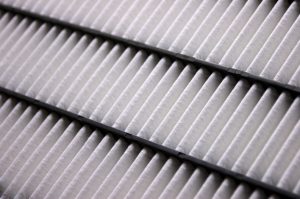
 A lot of people worry about keeping their homes cool during the summer, which is a reasonable concern. On top of that, though, you should make sure that you’re having your indoor air quality needs met during the summer. Indoor air quality often declines during the summer season, as people close their doors and windows to help maintain climate control.
This helps with keeping the home cool, but it traps a lot of airborne contaminants inside by cutting off the flow of fresh air. Breathing in the same airborne contaminants over a long period of time can cause all kinds of issues, from flu infections to anxiety attacks. The best way to deal with these problems is to have an air purifier installed in your home. Have a look below at some of the options available on the market for air purifiers.
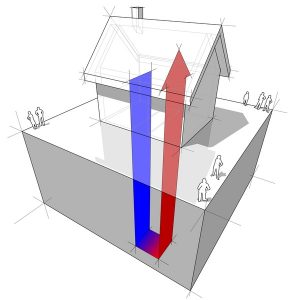 So, you’re in the market for a new climate control system and you’re not sure what to pick. That’s fair. Decision paralysis is pretty common when confronted with the sheer number of different heating and cooling options available to homeowners today. Each one is suited to a different range of circumstances, but if you’re not careful it is possible to install one that doesn’t really suit your needs.
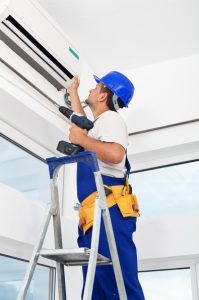 Summer is here. Do you have your air conditioning situation in order? Most people just need to schedule preventive maintenance during the spring to get their systems ready for the summer season. For some, though, no amount of maintenance is sufficient to keep the system functioning for another season. If you’re one of those people who is looking for a brand new air conditioning system, you have a number of great options to choose from. Let’s have a look at ductless mini splits, and how installing one might benefit you this season.
 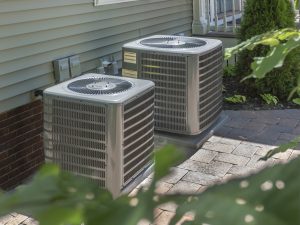 Summer is coming, and that means you need to be on the lookout for air conditioner problems. The more you rely on your air conditioner to keep your home cool over the next couple of months, the strain you’re going to put on the system. Preventive maintenance can better prepare the air conditioner to cope with that level of stress, but the odds of problems developing are still going to rise. As you use your air conditioner to keep cool over the next few months, make sure that you keep an eye out for the following malfunctions.
  The bathroom is one of the most important areas of your home. It’s where you get ready to start the day in the morning, and is usually the last room you use before going to be in the evening. Though you may not think about it all that often when you’re not actively using it, you spend a lot of time in the bathroom over the course of the average year. That also happens to be why the bathroom is one of the most common areas to be remodeled. If you are thinking of remodeling your bathroom, you have a lot of different directions you could go with it. Have a look below at some of the options we’d suggest for improving the look, feel, and operation of your bathroom.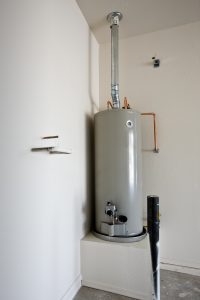
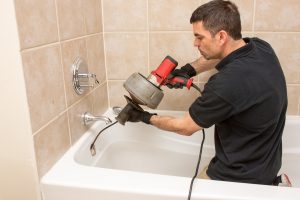 When one of your drains develops a clog, what’s the first thing you do? Do you reach under your sink for a bottle of store-bought drain cleaner? If so, stop doing that! Store-bought drain cleaners are actually terrible for the health of your drain and sewer system. They’ll resolve the clog, but at a very high cost for your pipes.
 Summer is not too far off, now. That means that you need to start getting your home ready for the coming hot months. You’re probably going to be using your air conditioner a fair amount this summer, which means that now is the time to make sure it’s ready for the extra demand. The best way to do that is to make sure to schedule preventive air conditioning maintenance. Read on to find out why air conditioning maintenance is so important, and why spring is the ideal time for it.
  Plumbing systems can be tough to keep in good shape. Sure, annual maintenance does a pretty good job of keeping everything in order. No amount of maintenance can guarantee that the system will be protected from issues, though. You still need to know the signs that your plumbing system is experiencing some sort of problem, so that you can call for professional services as soon as possible. One of the most common plumbing issues is leaking, so for this post we’re going to focus on that. Read on for more information on how to tell if your plumbing system has a leak.
 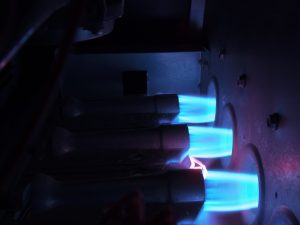 Normally, we post here about all the things that you should be doing to keep your home systems in top condition. This time, though, we figured we’d take a slightly different route. We’re going to be using this week to go over some of the best ways to completely ruin your