 There are right and wrong ways to take care of your furnace if you want to last as long as possible. Most of the time, we talk about all the things that you should be doing to keep your furnace in top condition as long as you can. Today, though, we’d like to cover some of the things you should do if you want to waste your system’s life and replace it as early as possible. Let’s begin.
3 Ways to Make Sure Your Furnace is Short-Lived
February 19th, 2018 | Written By Chris Long | Reviewed By Kevin CarneyWhat Heater Type Should I Install This Season?
February 5th, 2018 | Written By Chris Long | Reviewed By Kevin Carney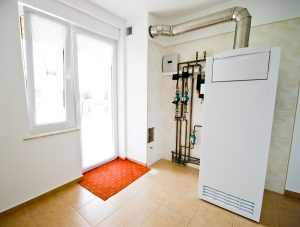
The middle of winter is a pretty inconvenient time to have to install a new heating system in your home. No one likes to be without heat for any length of time during the coldest months of the year. Still, sometimes you don’t have a choice. Maybe your current heating system just isn’t up to the task of heating your home anymore, or you’re moving into an entirely new home and you don’t have a heater yet. Regardless, here are some possible options for installing a new heater this season.
What heater type should I install this season?
- Furnace: A tried-and-true option that reliably heats homes even in very cold weather. If natural gas is available, a gas furnace is often the go‑to choice.
- Heat Pump: Functions like an air conditioner but reverses refrigerant flow to provide both heating and cooling. Efficient year-round, though efficiency may dip in extreme cold. Maintenance is more frequent due to its dual role.
- Ductless Mini-Split: A specialized heat pump without ducts, offering individual air handlers in each zone with separate thermostats. It provides precise, room-by-room climate control, and both heating and cooling, though it may require a higher initial investment and professional installation.
Why Your Water Heater Output is Low
January 22nd, 2018 | Written By Chris Long | Reviewed By Kevin Carney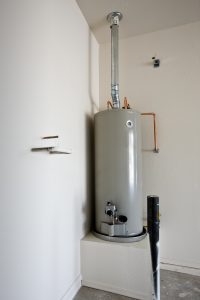 Taking cold showers might be good for bragging rights, but it’s kind of a horrible thing to do to yourself if you don’t need to. Even people who enjoy a cold shower every once in a while probably wouldn’t want that to be their only option when it came to washing up. If your water heater doesn’t seem moved by the muse of water heating to provide you with a warm shower, you probably have a problem. Read on to find out why your water heater output is low.
Be Careful of These Furnace Issues
January 8th, 2018 | Written By Chris Long | Reviewed By Kevin Carney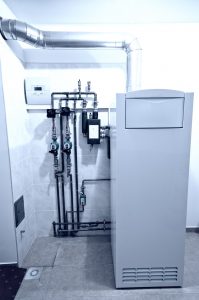 Winter is the time of year when furnaces are placed under the most pressure, which also makes it the time of year when those systems are most likely to develop problems. Considering the record low temperatures we’re currently experiencing across the country, you need to be especially vigilant for any signs that your furnace is having trouble this winter. Make sure that you familiarize yourself with the issues below, and the symptoms that indicate a need for furnace repairs.
Water Heater Issues to be Aware of
December 25th, 2017 | Written By Chris Long | Reviewed By Kevin CarneyWater heaters don’t get put under added stress during the winter, the way heaters do. Still, you should keep a sharp eye out for any problems that may develop with the system throughout the year. As is the case with any other home system, the faster you can identify issues, the faster you can have them repaired and the better off your water heater will be. Have a look at a few of the more common issues that are known to afflict water heaters, and what you can do about it.
Now is The Time for Heating Maintenance
December 11th, 2017 | Written By Chris Long | Reviewed By Kevin Carney Hey, you know what would be terribly inconvenient? Having your heating system break down in the middle of winter. You know what’s fairly likely to happen in some fashion if you don’t do anything about it? Having your heater break down in the middle of winter.
The best way to make sure that this does not happen is to schedule preventive maintenance for your heater, regardless of what kind you’re using. Preventive maintenance doesn’t guarantee that you won’t have problems, nor does going without it guarantee that you will. However, preventive maintenance is a great way to lower the chances of problems developing as much as possible.
Should I Replace My Heater This Fall?
November 27th, 2017 | Written By Chris Long | Reviewed By Kevin Carney The very last thing you want to happen this winter is to have your heating system break down on you. Nobody relishes the thought of going without heat during a cold winter season, after all. So, if your heating system is unable to get you through the coming winter for whatever reason, now might be a good time to install a new system. If you’re not sure whether or not you should replace your heating system this season, have a look at a few of the signs that you should at least consider it.
When should I replace my heater?
- You’re facing unusually high heating bills, a worn‑out system loses efficiency and costs more to run.
- The heater experiences constant breakdowns, needing repairs multiple times, often a sign it’s nearing the end of its useful life.
- The system is over 15 years old (or even up to 20 years in rare cases); aging heaters lose cost‑efficiency, output declines, and failures become frequent.
When to Replace Your Water Heater
November 13th, 2017 | Written By Chris Long | Reviewed By Kevin Carney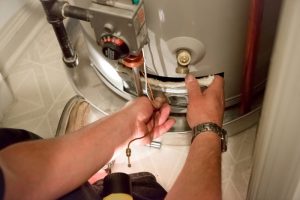
Water heaters last quite a while, with proper care and maintenance. They won’t last forever, though, which means that sooner or later you’re going to have to replace yours. If you’re not sure whether or not your water heater can survive another year, have a look at some of the symptoms below. Each water heater is a bit different, and you should consult with a professional before making any significant decisions about replacing the system. Still, these common water heater warning signs will help you get started.
How to Know It’s Time to Replace Your Water Heater
- Your water heater is 10 years or older, especially if it’s showing symptoms of wear.
- You’re facing frequent breakdowns or costly repairs, making replacement more cost-effective than continuous fixes.
- You’re seeing rusty, discolored hot water or signs of corrosion, these often signal irreversible tank damage.
- The unit delivers inconsistent or insufficient hot water, even under moderate use.
- The tank or nearby area shows visible leaks or pooling, this indicates structural failure.
- You’re noticing higher bills from water heater issues, suggesting declining performance.
Options to Consider with Bathroom Remodeling
October 30th, 2017 | Written By Chris Long | Reviewed By Kevin Carney The bathroom is one of the rooms in the house that few people ever think too much about, but on which everyone relies on a daily basis. Think about it. How many times a day do you use the bathroom without really paying attention to the room itself? Most people have simply gotten to the point where they take it for granted. Because of this, they don’t realize some of the ways that they could actually significantly improve both the aesthetics and the operation of the room. Have a look at some of the options you can use to take advantage of bathroom plumbing.
What You Need to Know About Maintaining Your Water Line
October 16th, 2017 | Written By Chris Long | Reviewed By Kevin Carney
Whether your home’s water comes from the city or another source, it all reaches your plumbing system through the main water line. When that line is in good condition, the rest of your plumbing has a much better chance of working the way it should.
Here’s what homeowners should know about caring for a water line and knowing when it may be time to call a professional.