Carney All Seasons Blog: Archive for the ‘Heating’ Category

Warning Signs of a Problem with your Heating System

Monday, September 23rd, 2013

During a Pennsylvania winter, the last thing you want to happen is to have your heating system suddenly die on you. Getting repairs done can be difficult during a season when many HVAC specialists have a backlog of emergency calls. It’s a smart idea to watch out for signs that your heating system is developing problems long before they cause a complete shutdown.

This list addresses some common signs that you may need repairs done as soon as possible. If you live in Hatfield, PA, heating service with Carney Plumbing, Heating & Cooling will provide you with reliable repairs to make sure none of these warning signs evolve into something far worse.

  • Uneven heating: No matter what kind of heating system you have—boiler, furnace or heat pump—you should already have a good idea how effectively it spreads warmth throughout your home. If you notice cold spots, check to see that vents are open and there are no leaks around windows or outside doors. If the uneven heating continues, it could indicate a problem with your system. A professional can diagnose what might be causing this and help you find a solution.
  • Strange noises: The boiler starts to rumble. The heat pump makes a grinding noise. The furnace begins to rattle. All HVAC systems make some level of noise while they operate, but if you start hearing unusual sounds, it could be a red flag that something is seriously amiss. Some simple maintenance, such as changing the filter on a furnace, might fix the problem. But if you’re not sure what to do, don’t try to troubleshoot the issue yourself. Bring in a trained technician to find out if the noise is a threat to your whole heating system.
  • Increased energy bills: If you see an unexpected rise in your energy costs, it may mean that your heating system is working inefficiently. It might still provide you the level of heat that you want, but it is working much harder to do the job. An overworked heater is in danger of wearing out and breaking down.

At Carney Plumbing, Heating & Cooling, we recommend that you get a maintenance inspection during the less busy fall season before any of serious damages can develop. Prevention is the best defense. But if you suspect that your heater might be edging toward a breakdown, contact our technicians right away to schedule a visit. For Hatfield heating needs, trust the high-quality services of Carney Plumbing, Heating & Cooling.
Continue Reading

Tips for Heating Your Home Efficiently

Monday, September 16th, 2013

As the calendar changes and summer moves into the past, people begin to think about how their energy bills will change with the season. Winters in Pennsylvania can be very beautiful, but also very harsh. You can expect that your heating system will put in a lot work for you during the months that follow. You want to get the most efficient heating in Blue Bell, PA as possible so you don’t see any unpleasant spikes in your power bills.

Efficient heating means finding ways to make your system do the least amount of work possible during the cold months. Here are some tips:

  • Use a programmable thermostat: Modern thermostats come with the handy ability to automate temperature changes. You can set the thermostat to lower the temperature at night, and then raise it before you get up in the morning. If you’re gone during the day, the thermostat can turn the heat down, and then raise it to a comfortable level an hour before you return home. If you don’t have a programmable thermostat, consider getting one professionally installed.
  • Seal leaks around windows and doors: You can use the flame from a small candle to discover where cold air is creeping into your home. Try to get these fixed before the temperature drops further, since your heating system will need to fight against these frigid invaders in order to keep the temperature at the level you want.
  • Schedule preventive maintenance: Don’t take for granted that your heater is just fine because you haven’t used it all summer. A professional maintenance check from an HVAC expert will determine if your heater is working at top efficiency, and can also identify any repairs you may need to make to get the most from it.

Although there are many things you can do around the house to prepare for the cold weather, when it comes to your actual heating system you should turn the job over to a professional. Carney Plumbing, Heating & Cooling offers full service on heating in Blue Bell, PA and throughout Bucks and Montgomery counties. With our 30 years of experience, we are the people to call for your winter heating needs.

Continue Reading

Why Replace Your Heating System in the Spring

Monday, March 18th, 2013

While most homeowners are considering cleaning out the garage or arranging their patio furniture when spring comes around, many are quick to forget about their heating system. That’s too bad, because the off-season is an opportune time for replacing your heating system, without incurring any unpleasant downtime without heating. There is a host of heating options on the market today, and if your heating system is over 10 years old, or requires frequent repairs, it’s probably an ideal time to invest in the future of the home, rather than its past. When you’re ready to replace your Blue Bell, PA heating system, count on  Carney Plumbing, Heating & Cooling for exceptional heating installation. Call us today!

Here are some things to consider for heating replacement this spring:

  • Energy-efficiency. Technological advances have made the heating efficiency of heaters over 10 years old obsolete. Today’s gas furnaces can reach AFUE ratings of up to 97%. Annual Fuel Utilization Efficiency measures the amount of heating output against the energy input. This means less waste and increased energy savings. Often, upgrading to a new system will pay for itself in a few years, depending on your heating needs.
  • Prevent heating downtime. If your heater is on its last legs and you’re weighing your options, consider this: do you really want to keep paying to keep that old furnace alive, when you could save money in the long-term by investing in a new heater? Moreover, delaying the inevitable may catch up to you during the coldest months. Spring is a great time to upgrade because you can avoid heating downtime when you really need it.
  • Switch to natural gas. Not only can upgrading save you energy and hassle, making the switch to natural gas from oil also has its benefits. Natural gas is eco-friendly, highly efficient, and available without the associated costs of foreign importation. Gas is known to burn cleaner than oil, with less energy going to waste.

As you tidy up your attic or perform various spring cleaning duties, think about upgrading that old heater in the basement. Doing so can help you save money. For heater replacement in Blue Bell, PA, call Carney Plumbing Heating Cooling today! 

Continue Reading

What is a Hybrid Heating System?

Monday, March 11th, 2013

A hybrid heating system combines a gas furnace with an electric heat pump. It provides excellent comfort year round, and tends to be most energy-efficient during moderate heating conditions. While conventional heating solutions opt for one or the other, a hybrid heating system seeks to find a balance between comfort and efficiency, and passes the savings on to you. For more information about hybrid heating in Maple Glen, PA, get in touch with Carney Plumbing, Heating & Cooling. We offer an extensive selection of hybrid heating systems, and we have a team of highly experienced and certified technicians ready to help you install it.

As you probably know, a gas furnace works by drawing energy from natural gas and converting it to hot air to be distributed throughout your home by ducts. A heat pump does not heat air, so much as move heat indoors or outdoors, depending upon the season. It works similarly to an air conditioner, although it does not tend to cool as effectively as a stand-alone air conditioner. That said, an air conditioner only cools, while a heat pump can work throughout the year.

The purpose of the hybrid heating system is to react automatically to changing outside temperatures, and to adjust to the most energy-efficient heating method accordingly. The beauty of this system is in its versatility. On those extremely cold days, your system senses the necessary adjustment and fires up your gas furnace to provide extra heat. On moderate days, your heat pump moves the heat inside the home by the circulation of a refrigerant.

The great thing about this system is that a heat pump also provides cooling in the summer. As a comprehensive system, your hybrid heating system can actually work for you all year long, which means energy and cost savings throughout the year. Not only that, but putting your heat pump to work on moderate days, you are also reducing the amount of fossil fuels used, which make the hybrid heating system far more eco-friendly than conventional furnace-based systems.

For more information about hybrid heating systems in Maple Glen, PA, or to schedule a consultation, call Carney Plumbing, Heating & Cooling today!


Continue Reading

Thinking of Switching from Oil to Gas? We Can Help Update Your Heating System

Monday, February 11th, 2013

If you’re thinking about switching from an oil-fired heating system to a gas-fired one in Lansdale, PA, there are many considerations that you need to think about. There are many benefits to switching from oil to gas and you should always consult the services of a professional heating contractor. If you have any questions about the conversion process, the technicians at Carney Plumbing, Heating & Cooling can help. We thought it would be helpful if we put together some of the benefits of switching from oil to gas.

The Oil to Gas Conversion Process

With an oil-fired heating system, there is a tank on your property that need to be filed on a regular basis. Part of the conversion process is that this tank will need to be dug up and filled in. In some cases, your utility company may provide financial incentives by offering to pay for the removal of your tank. Check with your local utility company.

The next step in the process is to dig a trench from the street to your home to bury the new gas line. This is another long process that can be fairly expensive. However, if you have other gas-fired appliances in your home then you may not need to dig such a trench.

After that, you’ll need to buy a new furnace or boiler that burns natural gas. Furnaces are generally less expensive than boilers. Then the gas line from the street will be connected to the new appliance in your home.

Once the process is complete you’ll have comfortable, inexpensive heating in your home without the need to constantly re-fill your oil tank.

If you’re interested in converting your home from oil to gas in Lansdale, PA, call Carney Plumbing, Heating & Cooling. We have experienced and highly trained technicians who can walk you through the process and make it as convenient as possible. Call us today!  

Continue Reading

What to Do If Your Furnace Keeps Turning On and Off: Warrington Heating Tip

Monday, November 12th, 2012

If the Warrington home’s furnace turns on and then a short time later shuts off, this is known as short cycling. Not only is short cycling hard on your equipment, but it also greatly reduces the efficiency of your furnace. Below, we describe what you should do if your furnace is short cycling.

Causes of Short Cycling

There are a number of reasons that your furnace might be short cycling. Here are just a few of them:

  • Furnace is too big – In this case, your furnace will heat your home very quickly and then shut off. As your home cools again, the furnace will turn on and heat up your home once again. Having a properly sized furnace is critical to your home’s comfort and efficiency.
  • Clogged air filter – This is by far the most common cause of short cycling. When your air filter clogs, it restricts air from getting into your furnace. As your furnace heats up the heat exchanger, air is supposed to blow over the exchanger to carry the heat into your home. Without that air flow, your furnace will overheat and shut off.
  • Thermostat – Sometimes, the cause of short cycling is a malfunctioning thermostat. If the thermostat isn’t working properly, it could be turning the furnace on and off mistakenly.

Why Short Cycling is a Problem

  • More wear on your furnace – With all the constant turning on and off, it puts extra strain on your furnace. This increases the rate of wear and can also potentially increase repair costs.
  • Reduced efficiency – With the furnace turning on and off, it doesn’t get the chance to realize any kind of efficiency that comes from running for an extended period of time.

What To Do If Your Furnace Is Short Cycling

The first thing you should do is check your air filter. If it’s dirty, you should change it out immediately. Not only can a clogged air filter cause short cycling, but it can also be the cause of other serious issues with your furnace.

If that doesn’t fix the problem, then you will most likely have to call a heating contractor. Carney Plumbing, Heating & Cooling offers complete furnaces services in Warrington. If your furnace is short cycling we can come to your home, diagnose the problem and offer a solution.

Frequently Asked Questions

Question: Why does my furnace keep turning on and off frequently?
Answer: A furnace that turns on and off repeatedly is often experiencing short cycling. This can happen because of a clogged air filter, thermostat problems, restricted airflow, or an overheating system. When the furnace cannot run through a normal heating cycle, it shuts down early and restarts soon after.

Question: Can a dirty air filter cause a furnace to short cycle?
Answer: Yes, a dirty air filter is one of the most common causes of furnace short cycling. When the filter is clogged, it restricts airflow and causes the system to overheat. The furnace then shuts off for safety, cools down, and starts again, repeating the cycle until the issue is resolved.

Question: Is furnace short cycling a serious problem?
Answer: Short cycling should not be ignored because it can place extra strain on the furnace and reduce its efficiency. Constantly starting and stopping can increase energy usage and cause parts to wear out faster. Addressing the issue early can help prevent more costly repairs or premature system replacement.

Question: What should you check if your furnace keeps turning on and off?
Answer: Start by checking the thermostat settings and replacing the air filter if it is dirty. Make sure vents and registers are open and unobstructed. If the problem continues, it may be caused by overheating, improper system sizing, or a mechanical issue that requires professional inspection.

Question: When should you call an HVAC professional for furnace short cycling?
Answer: If basic troubleshooting steps do not fix the problem, it is best to contact an HVAC professional. A technician can inspect components such as the heat exchanger, blower motor, and thermostat to identify the cause and ensure the furnace operates safely and efficiently.

Continue Reading

Considerations for Oil to Gas Conversion

Monday, October 29th, 2012

If you’re considering switching your house from oil to natural gas fuel, it is a huge decision that requires careful consideration. Whether your boiler needs to be replaced or if the price of oil in your area has skyrocketed, switching to natural gas can be a good option for some homeowners. Below we outline some of the major considerations you should think about before switching over.

Availability of Natural Gas

While the United States is experiencing a boom in natural gas production, it still isn’t available everywhere. Depending upon where you live, you might be out of luck simply because the infrastructure isn’t there yet.

Cost of Conversion

This tends to be the area that discourages some homeowners from making the jump. The cost of converting your home from an oil-fired furnace to natural gas can expensive. However, some homeowners make that up in energy savings within 5 years. Obviously, that time-frame can vary drastically by region and your specific situation. If you don’t have a natural gas line right now, one will have to be installed. That involves digging up your yard and part of the street to bury a line and connect it to the main line.

Incentives

To encourage people to make the switch to natural gas, some gas companies will offer certain rebates or other incentives to reduce the initial cost of installation. These vary by region and company, but some will pay for a new gas-fired heater or pay to remove your old oil tank from your property.

If you have questions about switching to natural gas from oil, call the experts at Carney Plumbing, Heating & Cooling. We have years of experience helping our customers in Lansdale make the switch from oil to natural gas. Our friendly heating experts are available to talk to you and discuss your situation.

Continue Reading

The East Coast Prepares for Frankenstorm!

Friday, October 26th, 2012

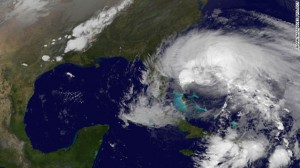
As Hurricane Sandy moves towards New England and a winter storm moves in from the West, the east coast needs to prepare for the potential effects of this massive storm.

Hurricane Sandy | Bucks County | Carney Plumbing, Heating  & CoolingCNN Reports, “that Sandy could be a storm ‘of historic proportion’…There is a 90% chance it will hit the American Northeast, said CNN meteorologist Pedram Javaheri, where $1 billion in damage could mount as it rolls inland, even affecting parts of the Midwest.”

Here at Carney Plumbing, Heating & Cooling we have already been getting calls about sump pumps and sump pump back-ups from customers eager to prepare for the storm. If current weather predictions are accurate, Hurricane Sandy could be the greatest storm of our time.  With only days left before the storm hits in Bucks and Montgomery Counties now is the time to prepare.  Here are some helpful tips to keep your family safe during the storm:

Before the storm hits:

  • Build an emergency kit, including food, water, warm clothing and other supplies.  Plan ahead for the specific dietary or medical needs of your family.  Pack enough supplies to last at least 72 hours.  Include any items that will help you stay warm and safe in the event of a power outage.  Please view these additional tips that may be helpful when preparing your emergency kit: http://www.ready.gov/sites/default/files/documents/files/checklist_1.pdf.
  • Bring pets indoors.
  • Plan an evacuation route taking elevation, existing bodies of water and flood-prone areas into consideration.
  • Take steps to secure your home, including covering windows, trimming trees and shrubs, clearing clogged rain gutters, reinforcing garage doors and bringing outdoor furniture and decorations inside.  Installing a generator is also a great idea for emergencies.
  • Turn your refrigerator to the coldest setting to keep items fresh in the event of a power outage.


During the storm:

  • Stay indoors and away from windows and glass.
  • Close interior doors.  Keep curtains and blinds closed.
  • Remain on the lowest level of your home in a small room, closet or hallway or lie under a table on the floor.
  • Avoid travel unless absolutely necessary.  If you need to travel, use main roads and only travel during the day.  Let someone know when you’re leaving, where you’re headed, what route you will take and what time you plan to arrive at your destination.
  • Listen to the radio or TV for storm updates.


We hope your family stays safe and warm this winter!


Continue Reading

How is Geothermal Heating Different than a Boiler or Furnace?

Monday, October 8th, 2012

If you need a new heating system in Quakertown, there are quite a few options to choose from. But before we can talk about the differences between boilers, furnaces and geothermal systems we need to understand how they work.

How is geothermal heating different from a boiler or furnace?

  • No fuel required, unlike boilers and furnaces that rely on oil or gas combustion, geothermal systems tap into the Earth’s consistent underground temperature (around 55 °F) for heating and cooling.
  • Energy from the ground, a liquid (like water or an antifreeze mix) circulates through buried loops where it either absorbs heat from the Earth or releases indoor heat into the ground.
  • Heating and cooling using the same principle, in winter, the system draws warmth from the ground to heat your home; in summer, it reverses the process to cool your home by transferring heat back into the ground.
  • Only electricity needed for operation, the only energy used is for running the heat pump that moves the liquid and the air handler that distributes conditioned air throughout your home.

How a Boiler Works

Boilers, like most traditional heating systems, require a fuel source, normally oil or gas, which is combusted in exchange for heat. In the case of a boiler, that heat is transferred to water that is circulated to radiators in each room where the heat from the water is expelled into the air.

How Furnaces Work

With furnaces, the heat generated by the burning of fuel is transferred to a piece of metal called a heat exchanger. The furnace blows cool air from the house over the heat exchanger which warms the air and it is then delivered to the rest of the house using a series of ducts.

How Geothermal Systems Work

A geothermal system uses a pump to circulate liquid, sometimes water or a mixture of anti-freeze and water, into the ground where it is either heated or cooled—depending upon the needs of the people in the house. This process makes geothermal technology unique, and you can explore further in our guide to geothermal environmental benefits.

The Differences between Boilers, Furnaces and Geothermal Systems

The main difference between a geothermal system and a boiler or a furnace is that it doesn’t require any kind of fuel source. The energy for the geothermal system is actually in the ground. If you dig about 10 feet into the ground, the temperature of the soil stays at an almost constant 55° F no matter what the temperature of the air is above it. When the air in the home needs to be cooled, a geothermal system absorbs the heat from the air and transfers it into the ground. Learn more about why cooling with geothermal systems is so efficient and sustainable. When the home needs to be warmed, the process is reversed: heat from the ground is absorbed by the liquid in the pipes and transferred to the air in the home.

The only energy being used is the electricity to run the heat pump that circulates the liquid in the pipes and the air handler to distribute the conditioned air. This is why homeowners often see major savings—discover how a geothermal installation saves energy compared to conventional heating systems.

Frequently Asked Questions

Question: How does a boiler heating system work?
Answer: A boiler burns fuel like oil or gas to heat water. That hot water is then circulated through radiators or pipes, which release warmth into the rooms.

Question: How is a furnace different from a boiler?
Answer: A furnace burns fuel to heat a metal heat exchanger. Air is blown across this exchanger and then distributed through ductwork to warm the living spaces.

Question: What makes geothermal heating fundamentally different from boilers or furnaces?
Answer:
A geothermal system doesn’t burn fuel, it uses the stable temperature of the ground to exchange heat. A liquid circulates underground via a heat pump, extracting warmth in winter or storing heat in summer, using only electricity to power the pump and air handler.

Question: Why is the ground a reliable source for geothermal heating?
Answer:
At about 10 feet below the surface, the ground maintains a nearly constant temperature year-round, around 55°F, making it an efficient source to absorb or release heat regardless of outdoor air conditions.

If you’d like to learn more about installing a geothermal system or to see if your property in Quakertown can support one, call Carney Plumbing, Heating & Cooling today.

Continue Reading

Benefits of Heating Maintenance for Your Furnace

Monday, October 1st, 2012

Your furnace is like any other piece of equipment in your Langhorne home in terms of what it needs to continue to function at a high level – namely, routine professional maintenance. Even if your furnace is relatively new, it’s never too early to start planning to keep it in good working condition for years to come. Routine heating maintenance is the best way to ensure your furnace will always work when you need it to.

Better Energy Efficiency

One of the most immediate benefits of regular furnace maintenance is the boost you’ll see in your system’s energy efficiency as reflected in lower energy bills going forward. Even the newest, most efficient furnace will lose a measure of its energy efficiency every year. While this drop might not be noticeable at first, it will quickly add up to create higher heating costs for you. But a simple tuneup every year from a Langhorne heating technician can almost completely eliminate this loss in efficiency.

Fewer Repairs

A regular checkup also allows an experienced technician to go through your entire heating system to find any parts that need to be replaced and other issues that could cause problems later on down the line. Addressing these small issues early makes it less likely you’ll need emergency repairs in the middle of winter when your heating system suddenly shuts off. And that saves you both money and aggravation.

Avoid Premature Replacement

Keeping up with regular furnace maintenance will also extend the life of your system, making your initial investment go farther and allowing you to postpone replacement. And that’s always a good thing for your budget as well as for your peace of mind.

With so many benefits stemming from routine maintenance for your heating system, there really is no reason not to get it done. It’s actually quite a quick and inexpensive process, and you’ll be able to rest easy knowing that you did everything you could to make sure your family is warm and comfortable all winter long.
To schedule a heating maintenance visit in Langhorne or the surrounding area, give Carney Plumbing, Heating and Cooling a call!

Continue Reading