 The very last thing you want to happen this winter is to have your heating system break down on you. Nobody relishes the thought of going without heat during a cold winter season, after all. So, if your heating system is unable to get you through the coming winter for whatever reason, now might be a good time to install a new system. If you’re not sure whether or not you should replace your heating system this season, have a look at a few of the signs that you should at least consider it.
When should I replace my heater?
- You’re facing unusually high heating bills, a worn‑out system loses efficiency and costs more to run.
- The heater experiences constant breakdowns, needing repairs multiple times, often a sign it’s nearing the end of its useful life.
- The system is over 15 years old (or even up to 20 years in rare cases); aging heaters lose cost‑efficiency, output declines, and failures become frequent.
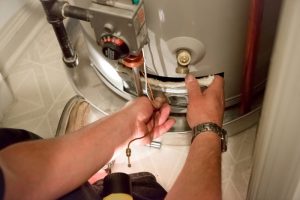
 The bathroom is one of the rooms in the house that few people ever think too much about, but on which everyone relies on a daily basis. Think about it. How many times a day do you use the bathroom without really paying attention to the room itself? Most people have simply gotten to the point where they take it for granted. Because of this, they don’t realize some of the ways that they could actually significantly improve both the aesthetics and the operation of the room. Have a look at some of the options you can use to take advantage of bathroom plumbing.
  Whether you get your water from the city in which you live, or from some other source, all water that flows into your home moves through the water line. If the water line is in poor condition, the rest of your plumbing system will suffer as well. Obviously, you don’t want your entire plumbing system to start malfunctioning. So, the thing to do is to make sure that your water line stays in good condition. Read on to find out more about how to maintain your water line.
  If you get your water from the city water main, you probably know that it goes through a treatment plant before it reaches your home. All kinds of harmful elements and germs can be found in natural water, which is what the treatment plant is there to remove. Now, some cities are better about removing contaminants than others. No city, though, can completely remove all potentially harmful materials from its water supply. There is always a chance that some trace particles will escape the treatment process, and end up in your home.
 One of the biggest issues with plumbing systems is their tendency to develop problems without any warning. Not that plumbing issues tend to suddenly jump out and ruin the system (though sometimes that does happen). It’s more that plumbing issues develop slowly, subtly, without being noticed by homeowners.
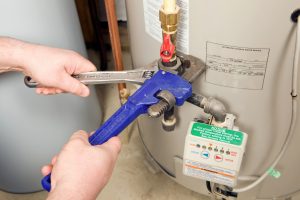 Water heaters are built to last, even under extreme pressure. Which is good, because the water heater is one of the hardest working appliances in the average home. If you have a tank water heater, as most people do, then your system never really turns off. It operates in some capacity at all times, 24/7, in order to maintain a standing supply of hot water for whenever you need it. All that use can create a lot of problems over the years, which is why it’s a good idea to make sure you’re familiar with the warning signs that you need to call for repairs.
 There are two things that you need to know about drain cleaning. The first thing is that it’s necessary to keep your drain and sewer system in good condition. You should be scheduling cleaning for your drain and sewer system at least once every year. This prevents clogs from forming, removes any blockages that might already be present in the system, and generally keeps things flowing smoothly.
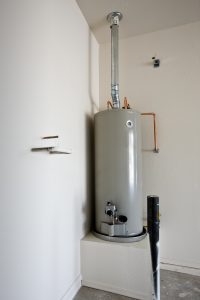 If you take proper care of your water heater, you can expect to get quite a few years of service out of it. Eventually, though, you’re going to need to replace the system with a new one. You probably don’t want to wait for the system to fail completely before replacing it, as that could potentially leave you without hot water for an extended period of time. Instead, you should familiarize yourself with the signs that your water heater is getting close to the end of its life. That way, you can replace the system with a new one before it gives out. If your water heater is manifesting symptoms similar to those below, consider replacing it.