Call Carney for all of your bathroom remodel needs!

May 11th, 2012 | Written By | Reviewed By Kevin Carney

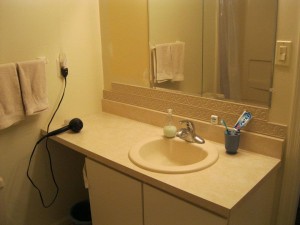
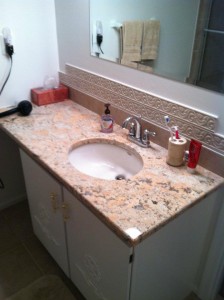
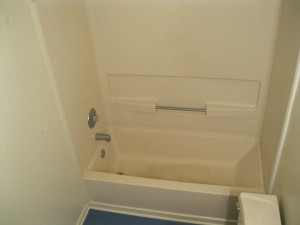
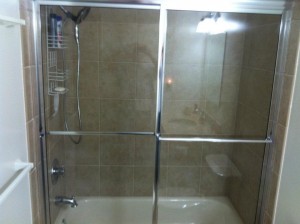
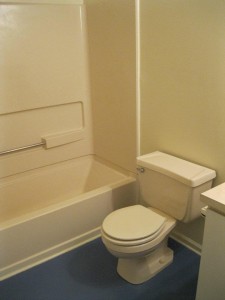
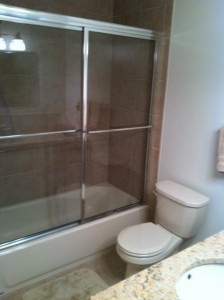
Here at Carney Plumbing, Heating, and Air Conditioning we are experts when it comes to remodeling or adding a new bathroom. We remodeled the existing bathroom below for a customer, check out the before and after pictures!

Remodel | Lansdale | Carney

Before #1

Remodel | Lansdale | Carney

After #1

Remodel | Lansdale | Carney

Before #2

Remodel | Lansdale | Carney

After #2

Remodel | Lansdale | Carney

Before #3

Remodel | Lansdale | Carney

After #3

Continue Reading

Plumbing Basics: Learning the Parts of a Toilet

May 7th, 2012 | Written By | Reviewed By Kevin Carney

Many homeowners may not realize that they can handle some minor toilet problems on their own. Whether your toilet is overflowing or running more than it should, you may be able to troubleshoot the issue without immediately calling a Willow Grove plumber. Knowing the basic parts of a toilet and how they work together is a helpful place to start.

Here’s a homeowner-friendly guide to the main parts of a toilet:

Willow Grove Plumbing Tip - Parts of a Toilet

Tank: Pictured above (inspectapedia.com), the tank sits on the back of the toilet. It holds the water supply used to flush the bowl, along with many of the components involved in common toilet problems.

Bowl: The bowl holds wastewater and uses water released from the tank to flush waste into the drain.

Flush Handle: The flush handle is the part most homeowners are familiar with, but it helps to understand what happens when you use it. The handle connects to the trip lever, which lifts the flapper and allows water from the tank to enter the bowl.

Trip Lever: The trip lever is an important part to understand when dealing with a running toilet. It connects the flush handle to the flapper. When you flush, the lever lifts the flapper, sometimes called a flapper valve, and releases water from the tank into the bowl to help move wastewater down the sewer drain. If the toilet is running, lifting the trip lever can help lower the water level in the tank.

Float Ball: The float ball helps control the water level in the tank. After you flush, the ball drops as the water level goes down. It rises again as the tank refills from the main water supply. Once the tank reaches the proper water level, the toilet stops running.

Overflow Tube: The overflow tube helps prevent the tank from overflowing if the toilet continues to run. It directs excess water into the drain. If you are unable to shut off the main water valve behind the toilet, you may sometimes be able to remove the rubber water supply tube from the overflow tube to help prevent an overflow.

Flapper Valve: The flapper valve is an important part to know when dealing with an overflowing toilet or a backup. A backup can sometimes be caused by a drain clog. The flapper connects to the flush handle through a chain and the trip lever. When the flapper is closed, water stays in the tank. Flushing lifts the flapper so water can move into the bowl with enough force to carry waste down the drain.

If your toilet is overflowing, pressing the flapper down by hand can stop additional water from entering the bowl. Some homeowners may hesitate to reach into the tank because they associate that water with the water in the bowl. The water in the toilet tank comes directly from the main water supply line, which connects to the stop valve.

Stop Valve: Also called the toilet supply valve, the stop valve controls the fresh water supply entering the tank. It is usually located behind the toilet near the floor. Turning it off is another way to help stop an overflowing toilet because the tank cannot continue filling once the water supply is shut off. The stop valve connects to the supply tube, which connects to the refill system.

Supply Tube: Although the supply tube and refill tube are connected, they are different parts. Their names are sometimes used interchangeably, but the important distinction is that the supply tube carries water from the main line to the toilet’s refill system.

Refill Tube: After a flush, the refill tube helps restore water to the toilet. As the tank refills, the float rises. Once the water reaches the proper level, the flow of water stops.

Trap: The trap helps prevent backflow and strong odors from the main sewage line. If you notice a sewage odor in your bathroom, especially near the toilet, there could be a problem with the seal or trap. Troubleshooting this part of the toilet usually requires a plumber unless you are familiar with toilet installation.

Wax Ring: The wax ring creates a seal between the toilet and the sewage line. A faulty wax ring can contribute to odors or leaking around the base of the toilet. If you are unsure about a leaking toilet or notice strong sewer odors, it is a good idea to call a plumber, since the issue could involve the main sewer line.

Call Carney Plumbing Heating & Cooling iif you have questions about these components or would like help troubleshooting with one of our Willow Grove plumbers. We’re here to help you understand what’s happening and determine the right next step for your home.

Continue Reading
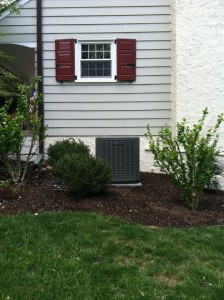
Save $200 off any Energy Star Rated AC System!

May 4th, 2012 | Written By | Reviewed By Kevin Carney

Trane Installation | Lansdale | Carney Plumbing, Heating, and Air ConditioningGet $200 off any Energy Star rated heating and air conditioning system!

See what our customers say!

“We purchased a Trane from Carney’s also, had it for 6 years now, not only did we get a great system but the service was excellent. The installation was a neat clean finish and they explained everything they were doing. I highly recommend the system and Carney’s Plumbing and Heating!”

Continue Reading

Fix Water Leaks Before They Cause Major Damage

April 30th, 2012 | Written By | Reviewed By Kevin Carney

Water leaks are one of the most destructive and frustrating problems in many Lansdale homes. Undetected water leaks can rot wood, destroy drywall, and cause mold to grow in unseen spaces of your home. Spending the time and money to find and fix water leaks before they cause significant damage is one of the most cost-effective actions a homeowner can take.

Sinks

Cabinets beneath kitchen and bathroom sinks are a good place to start. Look for signs of water damage or build up. Mold and mildew are telltale signs of water leaks. Touch the pipes, particularly the areas where they enter the faucet. Run the hot and cold water faucets for a few minutes and repeat the inspection. Finally, fill the sink with water, let it stand a few minutes and open the drain. Now check the drain pipe and the joints that connect it to the sink for leaks.

Dishwashers

Dishwashers can’t easily be checked for leaks without pulling them out from beneath the counter. But you can inspect the water lines that connect the dishwasher to the kitchen sink. For some units, you may be able to shine a flashlight beneath the dishwasher to look for puddles.

Toilets

Toilets can leak from the water supply pipes filling the tank and from the seal between the toilet and the waste pipe in the floor. Flush the toilet several times and carefully look for any signs of leaks in the  joints of the water supply pipe and the floor around the base of the toilet. Lift the lid off the tank and flush the toilet. When the tank refills, the water should completely shut off. If the flush valve or water control unit is old, corroded, or loose, the water will continue to run. Running water cools the water delivery pipe to the toilet and the tank, which will cause them to collect condensation in humid weather. The condensation will drip and eventually cause water damage to the floor behind the toilet. Bottom line – don’t ignore a running toilet. Have the water control and flush valve fixed or replaced.

 Tubs and Showers

Inspect the caulking around the tub or shower. Old, cracked, or missing caulking can allow water to leak into the wall. Water dripping from a leaky faucet or shower head will go down the drain and not cause any damage, but the faucet may also be leaking water behind the tub or shower.

Hot Water Heaters

Finally, inspect the hot water heater for leaks, and the boiler if the house has hot water heating. The first place to look is the floor around the appliance, but also look at the joints where the water pipes connect.

If you need any help with leak detection or any other problems with your Lansdale plumbing, give Carney Plumbing Heating & Cooling a call!

Continue Reading

Problems Caused by Poor Water Quality in Open Loop Systems

April 23rd, 2012 | Written By | Reviewed By Kevin Carney

As geothermal heating and cooling systems go, an open loop configuration can be an excellent choice, provided the environment supports it. Open loop systems work very effectively and efficiently because the deep water is held at an almost constant temperature year round. This property makes it a very good source of heat for the geothermal system.

However, an important factor to consider before choosing an open loop system is the quality of the water coming from the source. Although you won’t drink the water, the quality still matters a great deal, as poor water quality can cause serious problems in your geothermal system.

Let’s take a look at some common water quality problems and the damage they can potentially do to an open loop geothermal system in King of Prussia.

 Mineral Deposits

If the water is filled with minerals — frequently called “hard water” — those minerals can be deposited within the geothermal coils. As they build up on the walls over time, they can slow the flow of the water or even clog it completely.

Hard water does not necessarily preclude the use of an open loop system. It just may call for extra maintenance, such as periodically flushing the system with a mild acid solution to remove mineral build-up.

 Impurities

Impurities in water, especially metals like iron, can also cause clogs. Most frequently this occurs in the return well of the geothermal system. Again, these impurities do not necessarily mean an open loop system can’t work for you, but you should consult with the contractor prior to installation for solutions to this problem.

 Particulate and Organic Matter

If you plan to use surface water such as a pond or spring as the source for your open loop system, make sure to test the water composition thoroughly. An excess of sediment or organic matter can clog up your geothermal system very quickly.

Ideally, these are all situations that your King of Prussia geothermal contractor will anticipate and discuss with you ahead of time, so that your open loop system can be installed in such a way as to preempt any problems with water quality.

Continue Reading

Heat Pump Tip: Outdoor Maintenance

April 16th, 2012 | Written By | Reviewed By Kevin Carney

Sometimes, the trickiest part about owning your Doylestown heat pump is keeping the outdoor components maintained. Because they are outside and generally out of sight, it can be easy to forget or neglect them. But because they are outside and exposed to the elements, outdoor heat pump components need attention and maintenance to keep them running properly.

The two most important routine maintenance functions you can do as an owner of an outdoor heat pump are keeping it free of debris and keeping it level.

Every month or so, inspect and clean your outdoor heat pump to make sure it is free of leaves, dirt and other debris. These can easily be sucked in by the fan and reduce the efficiency of the whole system. Turn the power off to the unit and use a vacuum or broom to remove any accumulated debris.

Once or twice a year, use a carpenter’s level to make sure the whole thing is sitting level on the pad. Use the level to gauge both side to side and front to back. While you are doing this, check the insulation for erosion or gaps. If you see that it is not level or the insulation is wearing thin, have a contractor come out reset the unit on the concrete pad or patch up the insulation.

These are two small maintenance tasks that you don’t have to do very often, but they can make a big difference in the performance and life of your heat pump.

In addition, you should always have your whole Doylestown heating, ventilation and cooling system inspected by a professional annually in order to keep everything maintained and in good repair.

For any questions about HVAC maintenance or to schedule your yearly tune-up, give Carney Plumbing, Heating & Cooling a call today!

Continue Reading

Common Questions about Heat Pumps

April 9th, 2012 | Written By | Reviewed By Kevin Carney

Even if you installed a heat pump in your Lansdale home years ago, you may still have questions about the normal operation of your indoor and outdoor units. Here are answers to a few of the more common questions we get about Lansdale heat pumps.

Do I need to schedule a heat pump maintenance visit before each season, or just once a year?

Scheduling a yearly maintenance visit is necessary to the proper upkeep and safe operation of your Lansdale heat pump. This also extends the life of the system and helps it run more efficiently. However, scheduling a visit before the heating and cooling seasons isn’t necessary, unless you’ve had any concerns or issues with your heat pump.

Should I be concerned about the steam coming from my outdoor unit?

All heat pumps have a defrost cycle that melts the frost off of the outdoor coils in the winter. The steam rising from the outdoor unit results from the defrost cycle. If you notice that the defrost cycle lasts longer than ten to fifteen minutes, or if it cycles on and off frequently, you should call an HVAC service technician to look at your heat pump. There could be an issue with airflow that is affecting the compressor.

I just installed a heat pump. Why is my furnace running?

Many heat pump systems use the furnace fan blower to help distribute the heat throughout the house. Unless you’ve installed a geothermal heat pump, your furnace is most likely your backup heater, so it will kick on when the outside temperature drops below 20° F.

Is it really that important to clean my outdoor unit? It’s impossible to keep it clean all the time.

Yes, cleaning the outdoor unit is an especially important maintenance task. Not only does a routine cleaning of all the outdoor components maintain your heat pump’s efficiency and performance levels, it also prevents safety hazards. When you schedule a yearly maintenance visit with one of our technicians, cleaning the coils and outdoor unit is part of the service; however, if you want to clean the coils yourself, have one of our technicians show you how to do this before you attempt it on your own. You could suffer from electric shock if you are not familiar with the proper cleaning procedure. You can also help by making sure that the debris is cleared from around the outdoor unit.

If you have any questions about the heat pump in your Lansdale home, or if you’d like to schedule a maintenance appointment, give Carney Plumbing, Heating & Cooling a call any time.


Continue Reading

What Exactly Are High Efficiency Boilers?

April 2nd, 2012 | Written By | Reviewed By Kevin Carney

You have already read plenty about how energy costs are rising. You know plenty well that heating your New Hope home is a substantial expense, and that the cost of running a boiler is constantly on the rise.

But as technology has gotten better, so have boilers become more efficient at providing heat. It stands to reason that a more efficient boiler is one that costs less to run…but what does “efficient” really mean in the context of boilers? What makes a boiler “high efficiency”?

 What Is a High Efficiency Boiler?

All boilers are rated according to a standardized system of rating efficiency, called the Annual Fuel Utilization Efficiency (AFUE). Essentially, this rating tells you how much heat energy is produced by your New Hope boiler compared to how much energy it draws. The higher a boiler’s AFUE rating, the more efficient it is.

For a boiler to be called high efficiency, it must carry an AFUE of at least 90%. For basis of comparison, older systems carry an AFUE of about 70%, while mid-efficiency systems run at about 82%.

In addition, a high efficiency system has a second heat exchanger for capturing and condensing flue gases, as well as a closed combustion system.

These three things — an AFUE of 90% or above, condensing flue gases and closed combustion – define a high efficiency boiler.

The initial investment in a high efficiency boiler can be costly, but the savings over time in your New Hope heating bills make it well worth the expense.

If you would like a high efficiency boiler installed in your home, give Carney Plumbing, Heating & Cooling a call today!

Continue Reading

The Carney Plumbing, Heating & Cooling Plumbing and HVAC Scholarship!

March 27th, 2012 | Written By | Reviewed By Kevin Carney

Lansdale, Pennsylvania -Carney Plumbing, Heating & Cooling will be awarding two outstanding students each $500 towards their education in the HVAC and plumbing industries.

Carney Plumbing, Heating & Cooling has created this scholarship to help motivate students to become HVAC technicians and plumbers, as well as to encourage students who are already pursuing rewarding careers in these industries.  Carney Plumbing, Heating & Cooling is a growing company, so they are always in need of bright, hardworking people.  By making these funds and future scholarships available, Carney Plumbing, Heating & Cooling hopes to motivate students entering the work force to contribute to the HVAC and plumbing industries.  With emerging green technologies in HVAC and plumbing, future students have the opportunity to shape their industry and the homes we live in.  Now more than ever we need the brightest and most ambitious students to step up to the challenging and rewarding careers available in these fields.

Applicants for the Carney Plumbing, Heating & Cooling Plumbing and HVAC Scholarship can visit the Carney Plumbing, Heating & Cooling website here:

https://www.carneyphc.com/contact/scholarship-form

We will be accepting applications until July 31, 2012. Applicants with the most well thought out and inspiring essays will be considered for this scholarship. Students currently attending or planning to attend four year colleges or vocational/technical schools are welcome to apply.

Kevin Carney, owner of Carney Plumbing, Heating & Cooling said, “We are excited to read what motivates students to become leaders in the HVAC and plumbing industries, and how they plan on changing and improving the field.”

About Carney Plumbing, Heating & Cooling:

Carney Plumbing, Heating & Cooling was founded in 1976 by Kevin J. Carney and Diane Carney. Although the operations are now in the hands of sons Kevin and Ryan, Kevin – or “Senior” as he’s referred to by co-workers – remains involved in the company. The company is now in its third facility, located at 900 Bethlehem Pike, Line Lexington, PA 18932 on the border of Bucks and Montgomery Counties.

Continue Reading

What Is an Electronic Ignition on a Heating System?

March 26th, 2012 | Written By | Reviewed By Kevin Carney

Gas furnaces are very complex pieces of equipment to have in your Doylestown home. Modern ones in particular are designed to use as little gas as possible, and to recapture as much of the heat generated from burning that gas as can be done safely. One of the many safety and energy-efficient advances in furnace technology in the least twenty years is the electronic ignition.

 The Purpose of Electronic Ignition

In older furnaces and boilers in Doylestown, a pilot light would stay lit continuously whenever the heating system needed to be available. That meant continuously burning gas throughout the fall, winter and spring months for those times when heat was needed. It was inefficient and unsafe, especially in older devices that didn’t have safety valves.

Today, furnaces are built with electronic ignitions – small devices that only ignite the gas supply when the thermostat is on. there are two types of electronic ignition used in boilers and furnaces today.

  • Intermittent Pilot – An intermittent pilot is unique in that it releases a spark through an electronic component to the gas pilot, lighting the gas burners.
  • Hot Surface Ignition – Hot surface ignition uses an electronic filament (like a lightbulb) to heat up and ignite the burners when the thermostat calls for heat.

Both devices are designed to use a very small amount of electricity and reduce the amount of gas needed for continuous operation of your furnace.

Safety Benefits of an Electronic Ignition

While gas efficiency was a big part of the transition from pilot lights to electronic ignition, safety was an equally big component. Whereas before, the pilot light was continuously lit, meaning gas was continuously flowing into the furnace, today’s furnaces are essentially off when not in use. This means less of a chance that gas will flow unburned or that the pilot will get dirty or burn too soft, releasing carbon monoxide.

If your furnace or boiler still uses a traditional pilot light, consider having it upgraded to electronic ignition, not just to save gas but to keep your home and family safer.

For more information about new Doylestown heating system features, give Carney Plumbing, Heating & Cooling a call today!

Continue Reading