 What’s the difference between your average homeowner and a licensed plumber? Well, that would probably take hours to talk about, but what’s just one difference that pertains to the plumbing in your home? Plumbers know about the different kinds of piping material and homeowners generally don’t. While this type of information might not be important to a homeowner who has plumbing that’s in good shape, if any of you are struggling out there with bursting or leaking pipes and you think you need plumbing help, this information could save a lot of money.
The first step towards better plumbing is calling your local plumber in Doylestown, PA. Once that’s done, we implore you to keep reading down below to get a general sense of the types of piping materials that exist and how you might be able to make an informed decision when the time comes for pipe repair.
 Air purification is a process that’s not new. Even in ancient times, people used herbs, incense, and other methods to keep their air clear and clean of harmful contaminants. The only difference between now and then is that our methods of air purification rely on science and electricity, which is a much more reliable method of keeping your air clean. By using one of our air purifiers, you can make demonstrable changes to your indoor air and eliminate problematic microorganisms like bacteria, viruses, and mold spores.
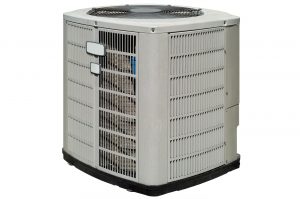 Air conditioners are durable machines. They’re often able to cool your home for years on end without anything but routine maintenance visits and a repair every now and then. However, just because they’re durable for the most part, doesn’t mean you can reach your hands inside the system and start making your own repairs.
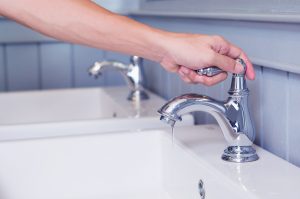 Drains are no mystery. They’re the pathways by which wastewater is taken from your home and deposited in a wastewater treatment plant where it can be cleaned and recycled. In order for this process to work efficiently, however, your drains need to be kept clear of any large amounts of food waste or other materials that could block them. Thus, we have the age-old tradition of trying to avoid drain clogs.
 If your first response to the title of this post is “yes,” then you’re in the right place. Gurgling drains are a noticeable sign for vigilant homeowners who want to keep their plumbing in good shape. It’s usually the sign of a partial blockage, a clog forming. Just because a clog is forming and not yet fully formed doesn’t mean there isn’t something that can be done about it. Plus, that gurgling noise isn’t the most appetizing noise to have coming out of your kitchen sink.
 Sump pumps are the heroes behind the scenes when we’re worried about the flooding of our basements. They’re out of sight and out of mind on a sunny day, but when rain starts to pour and your property begins to flood, the sump pump keeps you dry and your home from being damaged.
 While it might not feel like springtime yet, we assure you that it’s basically right around the corner. Before you’re busy opening up the windows, cleaning off the porch, and enjoying the fresh air for the first time in months, we implore you to take a second and read about some of the benefits that could come from getting your AC ready for summer.
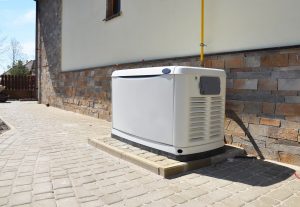 Being prepared for a blackout isn’t just about having enough energy for some flashlights and your heater. What about having the energy to charge your phone in case you need to make an emergency call? Or having enough energy to power your refrigerator to keep your food from spoiling? These can be necessary when you’re trying to live your life after a blackout, especially when you don’t know the next time the power will come back on.
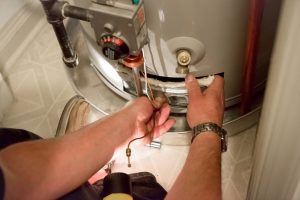 Your water heater is about as integral to your life as the food in your cupboard or the car in your garage. Without the water heater that functions so diligently in your basement, you’d risk taking cold showers, having trouble washing your dishes and laundry effectively, and your overall quality of life would deteriorate before your eyes. Without hot water, our lifestyles just don’t seem to work as well.